
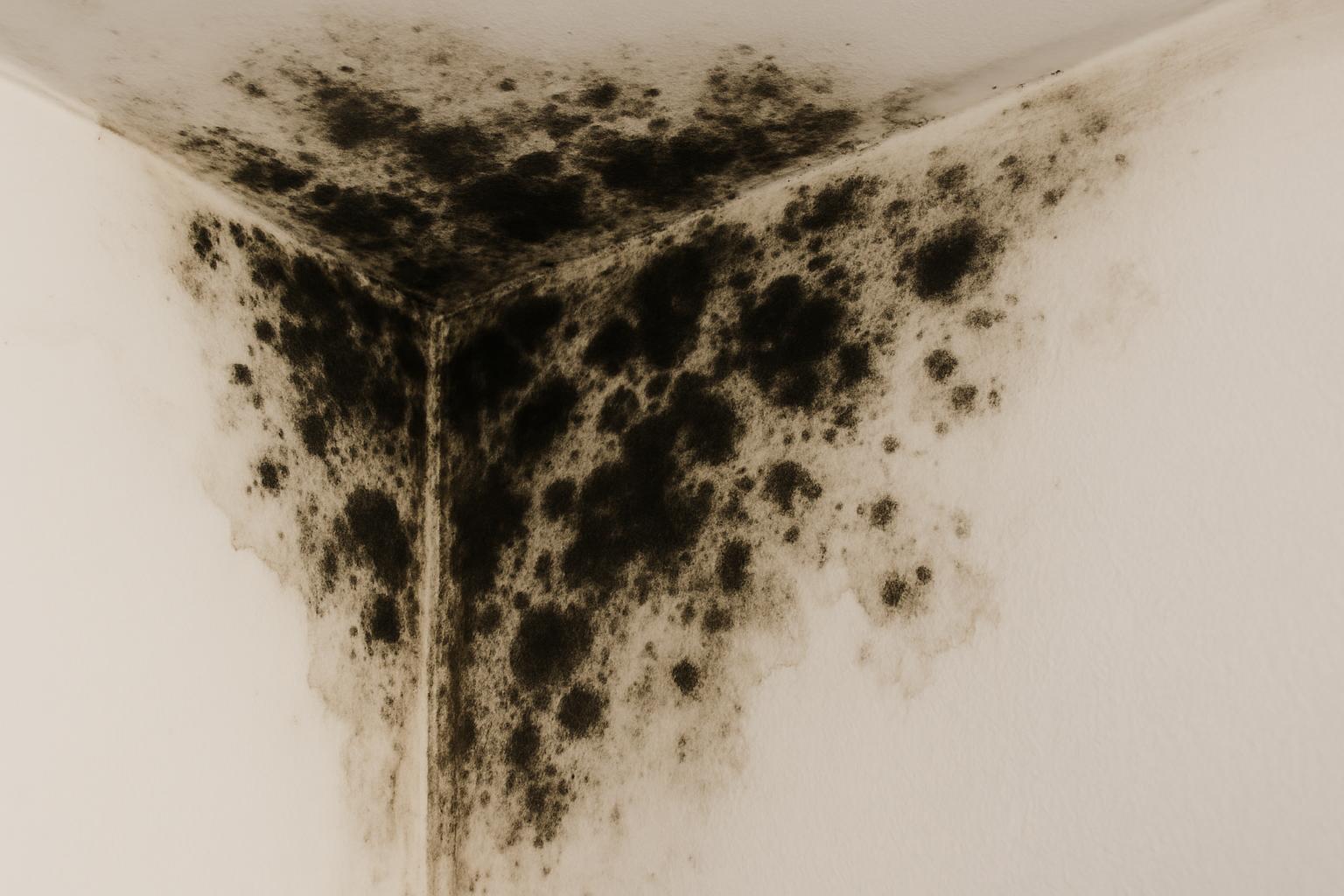
Record what changed
Photograph the area before cleaning or repainting. Note the room, surface, approximate size and whether the mark changes after rain, bathroom use or air-conditioning. Keep dates of plumbing, waterproofing or AC work.
A mould concern may involve a surface, a damp substrate or a hidden source. An accessible inspection should state what was seen and what remains uncertain.
Coordinate a ceiling-leak concern
HDB guidance advises discussing inter-floor ceiling leaks with the upper-floor neighbour and investigating the cause. Common-property issues use the appropriate Town Council channel.
Do not assume responsibility or scope from the colour of a stain. Keep the repair process distinct from mould cleanup, drying and repainting.
Look at the room’s use
Record where condensation appears, how AC is used and whether wet belongings or furniture restrict air movement. Opening windows while AC is running is not a universal moisture solution; consider weather, outdoor air and the actual room.
Ask an appropriate maintenance contractor about AC drainage or plumbing defects. Those repairs are separate from mould treatment unless the quotation includes them.
Prepare for an assessment
Tell the team about access, occupancy, previously treated patches and fixed cabinetry. Agree what can be moved or inspected, whether any sampling has a purpose and how completion will be recorded.
Call or send an inquiry before disturbing damaged finishes. If older materials may contain asbestos, seek a suitable specialist assessment.