
 John Ward
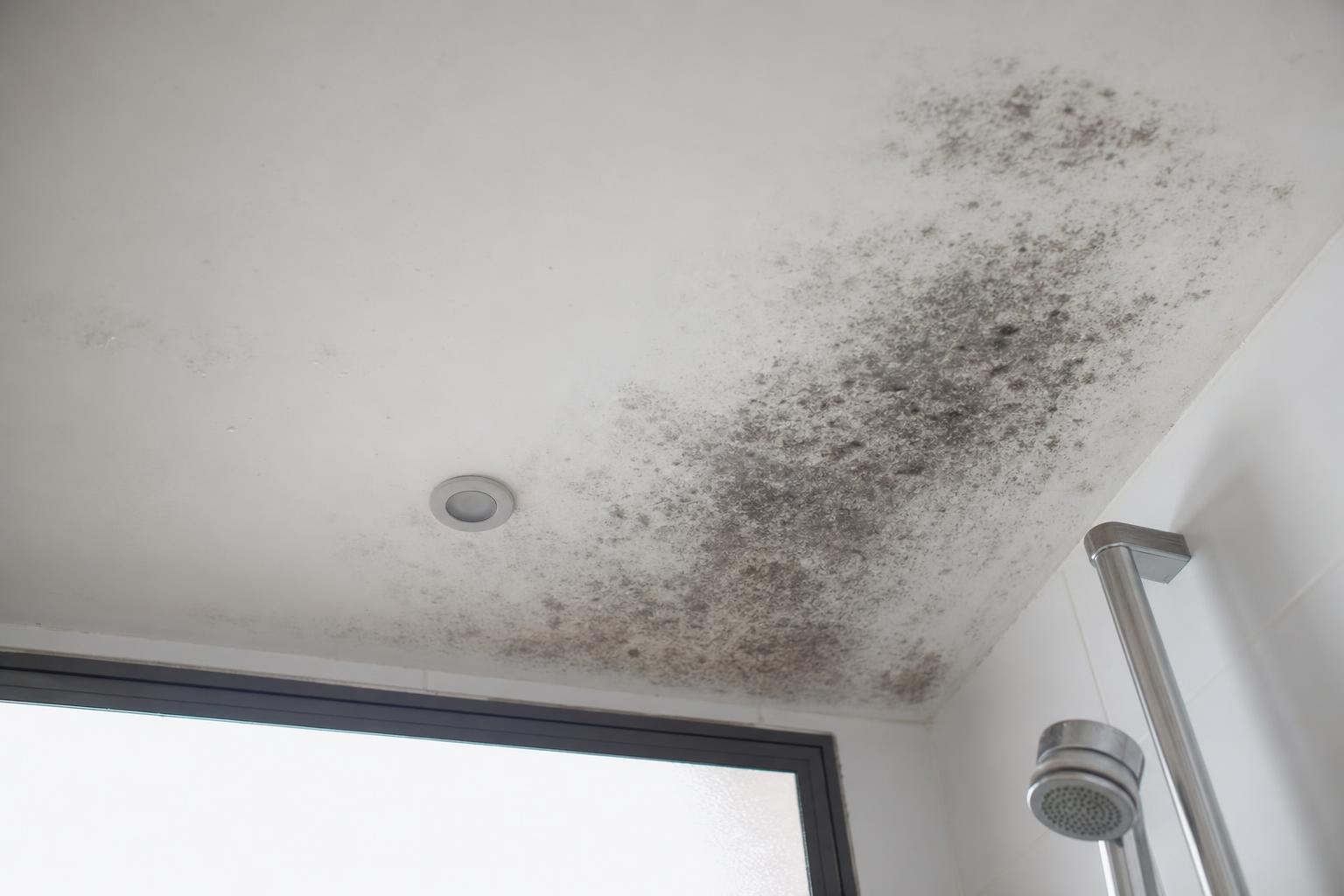
You're lying in bed, look up, and there it is. A grey-black bloom spreading across the bedroom ceiling, or that fuzzy dark patch creeping out from the corner above the shower. Ceiling mould is one of those problems Singapore homeowners notice late, because nobody spends much time looking up. By the time you do, the colony has usually had weeks to settle in.
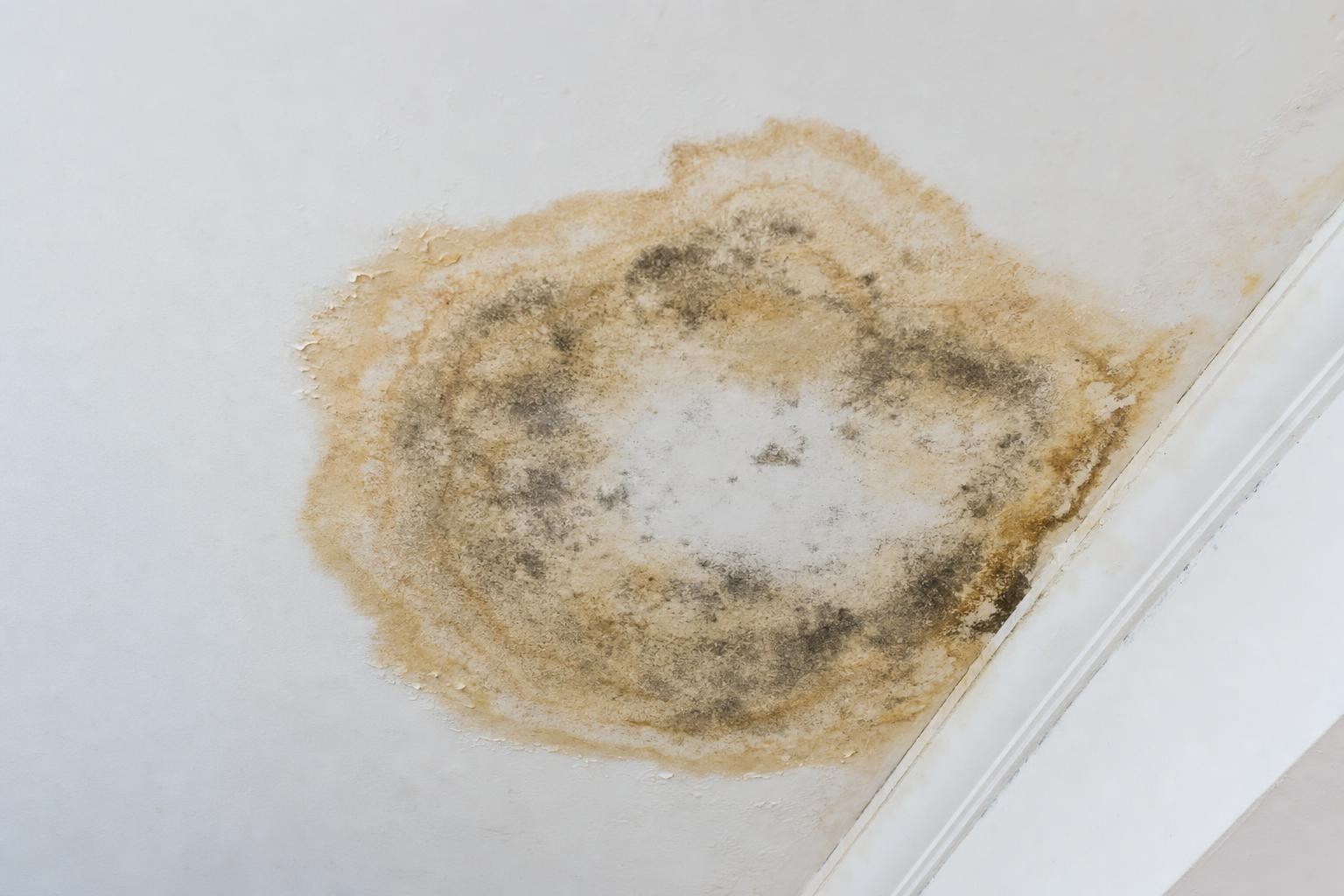
So here's the short version before the detail. To remove mould from a ceiling in Singapore, put on an N95 respirator, sealed goggles and gloves, mist the patch with undiluted white vinegar until damp rather than dripping, and leave it at least 15 minutes before wiping gently. The dwell time is what kills the colony, not the scrubbing. Do this yourself only if the patch is under roughly one square metre, on a sound dry ceiling, with no leak behind it. If the mould is ringed by a brown or yellow stain, stop, because that's a leak from above and cleaning it will not fix it.
Here's the thing most cleaning guides won't tell you: removing mould from a ceiling is not the same job as cleaning a wall. You're working overhead, spores fall straight down into your face, and (this is the part that catches people out) a mouldy ceiling is sometimes not a cleaning problem at all. It's a leak from the unit above or the roof, and no amount of scrubbing will fix that.
This guide covers both. How to safely remove ceiling mould you can actually treat yourself, how to tell when it's really a leak (and who pays to fix it under HDB and condo rules), and how to stop it coming back in a climate that's basically a year-round incubator. Whether you spell it mould or mold, the problem and the fix are the same.
Key Takeaways
- Most Singapore ceiling mould is driven by aircon condensation on the slab and trapped bathroom steam, not dirt
- A brown or yellow stain ringing the mould usually means a leak from above, which is a repair issue, not a cleaning one
- Undiluted white vinegar with at least 15 minutes of dwell time kills mould to the root better than bleach, which mostly just bleaches the stain
- Under HDB rules, inter-floor leak repairs are shared between the upper and lower flat, and the Goodwill Repair Assistance scheme can cover half the cost
- If the patch is bigger than about one square metre, keeps returning, or sits on a damp ceiling, stop and get it inspected
Why Singapore Ceilings Get Mouldy
Mould needs three things to grow: moisture, a surface to sit on, and warmth. Singapore hands it all three, every single day of the year. With relative humidity averaging around 80% and temperatures parked between 25 and 31°C, the air always carries enough water to feed a colony. What makes ceilings a target specifically comes down to how we cool our homes.
~80%
Average relative humidity
25-31°C
Year-round temperature
50-60%
Safe indoor humidity target
24-48h
Time for mould to colonise
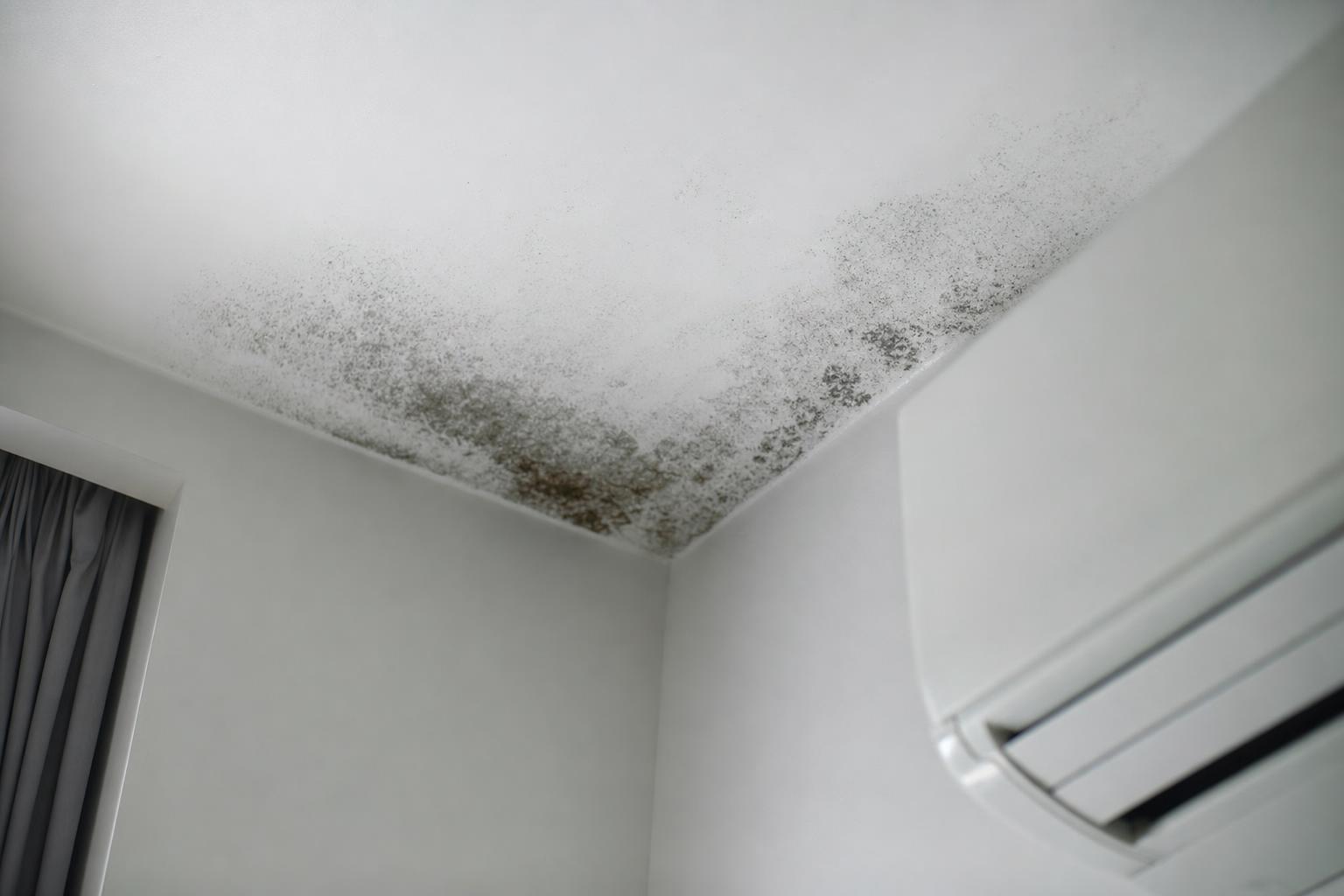
Run an aircon long enough and the slab above it cools down. Warm, humid air drifts up, touches that cooler concrete, and condenses, the same way a cold drink sweats on a hot day. That thin film of moisture is all a spore needs. It's why you often see mould near aircon ledges, around concealed trunking, and in the bedroom corners furthest from airflow.
Bathrooms are the other usual suspect. A hot shower fills the room with steam, and if the exhaust fan is weak (or you switch it off the second you step out), that steam settles on the ceiling and stays there. Over a few weeks, you get the classic black bathroom-ceiling patch.
Pro Tip
From our experience inspecting thousands of Singapore homes: roughly the worst ceiling mould we see isn't in old flats, it's in newer condos where residents run the aircon hard, all day, with windows sealed shut. Great for the electricity bill, terrible for the ceiling. The slab never gets a chance to dry out.
First Question: Condensation or a Leak?
Before you buy a single spray bottle, look closely at the patch. This one check saves people a lot of wasted effort. Surface mould from condensation or steam tends to be dry to the touch, sits on the paint, and spreads in a soft, cloudy shape. You can usually wipe a bit off and the ceiling underneath looks intact.
A leak looks different. There's almost always a brown or yellowish stain, often in a ring or a tide-mark shape, and the area feels damp or even soft. Sometimes the paint bubbles or flakes. If that's what you're seeing, the mould is a symptom. The real problem is water getting in from the unit above, the roof, or a hidden pipe, and we cover what to do about that further down.
The brown-ring test
If your ceiling mould comes with a spreading brown or yellow water stain, or the surface feels damp, treat it as a leak first. Cleaning the mould off a leaking ceiling is like mopping the floor with the tap still running. It will be back within weeks.
How to Remove Ceiling Mould, Step by Step
A quick word before you grab a ladder
We'll be honest here, even though we do this for a living. DIY removal only really makes sense for a small, dry surface patch (think under one square metre) on a sound ceiling with no leak behind it. Anything larger, anything recurring, anything damp or stained, and we'd recommend having it removed professionally rather than risking it. Ceiling work means overhead spores and ladder falls, and getting it wrong usually just means the mould comes back. If you're not sure which camp you're in, the inspection link further down sorts that out fast, and our team can take the whole job off your hands.
Right, say you've checked and it's surface mould, dry, no stain, on a sound ceiling. Here's how to deal with it safely. The overhead angle changes a few things, so don't just copy what you'd do on a wall. If you want the deeper science on which cleaners actually kill mould, our guide on what kills mould breaks down vinegar, bleach and the rest.
Safety first, and this matters more on a ceiling
You're working above your own head. Wear an N95 mask and proper safety goggles (not just glasses), because spores and cleaning spray fall straight down into your eyes and airways. Use a stable step ladder on a flat surface, never a chair or a wobbly stool. Have someone hold the ladder if you can.
Ventilate and protect below
Open the windows and run a fan. Lay an old sheet or plastic across the floor and any furniture under the work area, because this gets drippy.
Gear up
N95 respirator, sealed goggles, rubber gloves, long sleeves. On a ceiling this isn't optional, you're directly under everything you disturb.
Mix your solution
Undiluted white vinegar in a spray bottle. If the smell bothers you, no more than a 1:1 mix with water. Vinegar reaches the mould roots; bleach mostly just lightens the stain.
Spray and wait
Mist the patch until damp, not dripping. Let it sit at least 15 minutes (longer for stubborn growth). This dwell time is what actually kills the colony.
Wipe, do not smear
Wipe with a damp cloth, folding it to a clean face each pass so you're not just spreading spores around. Work in small sections.
Dry it completely
Point a fan at the ceiling or run a dehumidifier. Any leftover moisture invites the mould straight back. Let it dry fully before painting.
Prime, then paint
Once bone dry, apply a mould-resistant primer, then two coats of paint (semi-gloss for bathrooms). Skipping the primer is the most common reason it returns.
Pro Tip
Apply ceiling primer in thin coats, working in one direction, and reload the roller often. Thick coats on a ceiling sag and drip onto you and the floor. Patience here beats a second clean-up.
Never mix your cleaners
Don't combine bleach with ammonia or any other cleaning product. The fumes are genuinely dangerous in an enclosed Singapore bathroom with the door shut. Vinegar and bleach also shouldn't be mixed. Pick one and stick with it.
Not sure if it's condensation or a leak?
If the patch is damp, stained, or keeps coming back, a quick inspection tells you what you're actually dealing with before you spend a weekend scrubbing.
Bathroom vs Bedroom vs Kitchen Ceilings
Not all ceiling mould is the same. Where it shows up tells you a lot about what's feeding it, and what to do differently.
| Room | Usual cause | How bad it gets | What to focus on |
|---|---|---|---|
| Bathroom | Shower steam, weak or unused exhaust fan | Fast and recurring | Ventilation plus mould-resistant paint |
| Bedroom | Aircon condensation on the slab | Slow and creeping, often in corners | Aircon servicing and airflow |
| Kitchen | Cooking steam plus grease film | Sticky, harder to clean | Degrease first, then treat mould |
| Top-floor / any room | Roof or upstairs-unit leak | Comes with a stain, keeps returning | Fix the leak, do not just clean |
Kitchens have a twist worth flagging. The grease film from years of cooking gives mould something extra to cling to, so a plain vinegar wipe often isn't enough. Degrease the area with a dish-soap solution first, let it dry, then treat the mould as normal.
The aircon corner
Bedroom mould loves the corner furthest from the aircon, where the air barely moves and the slab stays coolest. If you keep finding it in the same spot, the fix isn't more cleaning, it's getting air moving and servicing the unit so it isn't over-cooling the room.
Is Ceiling Mould Dangerous?
For most healthy people, a small patch of ceiling mould isn't going to land you in hospital. The usual reaction is mild: a runny or blocked nose, an itchy throat, the odd cough. Annoying, not alarming.
It gets more serious for some groups. If anyone in the home has asthma, allergies, a weakened immune system, or you've got young kids or elderly parents under that ceiling, mould spores can trigger wheezing, chest tightness, and asthma flare-ups. Long-term exposure has been linked to chronic lung inflammation. That's the honest picture, and it's why the people most at risk shouldn't be the ones doing the scrubbing.
About black mould
Black mould (the Stachybotrys kind) gets a scary reputation online. The most commonly reported effects are still respiratory: nasal irritation, coughing, trouble breathing, especially for sensitive people. You don't need to panic at the sight of dark mould, but you also shouldn't ignore a large or recurring patch. Get it identified properly.
If that's the question keeping you up, our complete guide to black mould in Singapore explains why most dark patches on a Singapore ceiling aren't Stachybotrys at all. For the health side specifically, what mould exposure does to you sets out which symptoms are well documented and which claims the evidence doesn't back.
If you're getting symptoms that ease when you leave the house and come back when you're home, that's worth paying attention to. It's one of the clearer signs the mould in your home is affecting your health, not just your ceiling.
When Ceiling Mould Means a Leak (HDB & Condo)
This is the part generic mould guides skip entirely, and it's the most important section if your ceiling is damp and stained. In Singapore's high-rise homes, a mouldy ceiling with a water stain very often means water is coming through the floor slab from the unit above. That's not your cleaning to do. It's a shared repair with rules attached.
If you live in an HDB flat
The floor slab between two flats is shared property. Under HDB's approach, the upper and lower flat owners are jointly responsible for fixing an inter-floor leak, and the repair cost is typically split between them. There's also the Goodwill Repair Assistance scheme, where HDB co-pays half the repair cost, and the remaining half is shared between the two flats. In practice that can mean each household pays only a portion of the total, subject to HDB's caps and conditions. The figures and eligibility change over time, so check the current details on the HDB website or with your branch before assuming a number.
If you live in a condo or private apartment
Here the Building Maintenance and Strata Management Act sets the rules. The general position is that the upper-floor unit is presumed responsible for a leak affecting the unit below, unless they can show otherwise. Your MCST or managing agent usually gets involved, particularly where common property or shared waterproofing is part of the picture.
Document it before you clean it
If you think it's a leak, take dated photos of the stain and mould before you touch anything, and note when it started and whether it's spreading. Letting an inter-floor leak sit doesn't just grow the mould, it can damage electrical fittings and weaken the structure over time. Tidy it away too early and you've lost the evidence you may need for a claim or a chat with your neighbour upstairs.
None of this is legal advice, just the general process as it usually plays out. The practical takeaway: if your ceiling is damp and stained, sort out the water source and the liability question first. A proper inspection can confirm where the moisture is coming from, which is exactly the evidence these conversations tend to need.
Keeping It From Coming Back
Killing the mould is the easy part. Keeping it gone in this climate takes a bit of habit-changing. None of this is complicated, but it does need to be consistent.
Run the bathroom fan longer
Keep the exhaust fan going during your shower and for at least 20 to 30 minutes after. The steam doesn't vanish the moment you step out.
Keep humidity at 50 to 60%
A dehumidifier in the worst rooms makes a real difference, especially during the monsoon months when the air is heaviest.
Service the aircon quarterly
Get the units serviced and the drainage pipe cleared every few months. A blocked drain line is a quiet, steady source of ceiling damp.
Use mould-resistant paint
When you repaint a bathroom or kitchen ceiling, use an anti-mould primer and paint. It buys you months of breathing room.
Fix small leaks fast
A minor roof or pipe drip won't fix itself in Singapore's humidity. The sooner the water stops, the smaller the mould problem stays.
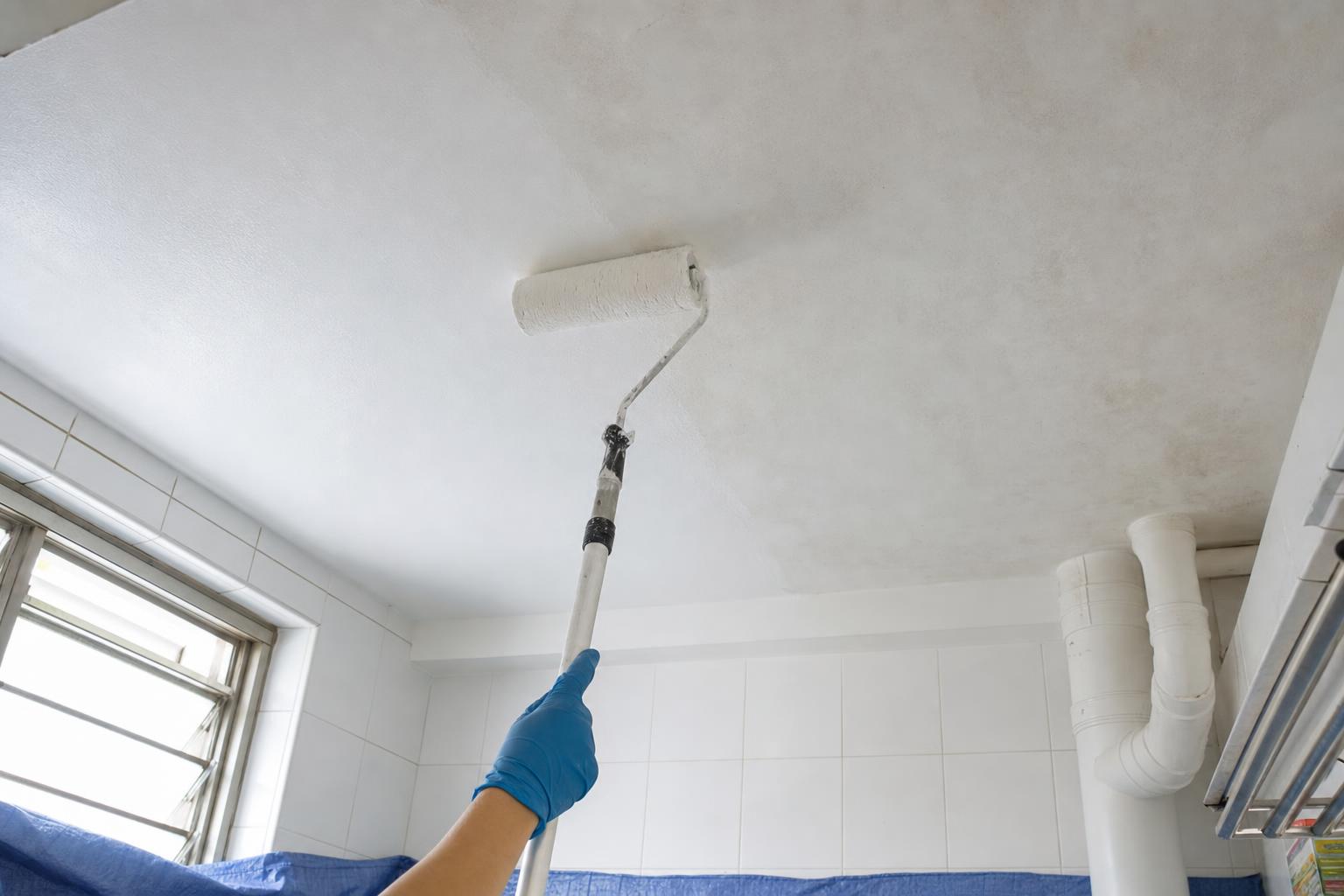
Before you buy a tin, it helps to know what the paint can and can't do. We've covered that in a separate guide: does anti-mould paint actually work in Singapore, including which products are ceiling paints and how long to let the surface dry first.
DIY or Call a Professional?
Plenty of ceiling mould is a fair weekend job. But some situations are a clear sign to bring someone in, and pushing on regardless usually costs more in the end.
Key Takeaways
- The patch is bigger than about one square metre (roughly 10 square feet)
- It keeps coming back within two or three months no matter how well you clean
- The ceiling is damp or stained, which points to a leak you can't see the source of
- The mould is inside a false or concealed ceiling, common in condos
- Someone in the home has asthma, allergies, or a weakened immune system
A professional inspection does two things a spray bottle can't: it finds where the moisture is actually coming from, and it tells you whether what you're looking at is a surface clean or a structural leak. For anything recurring or stained, that's the step that finally ends the cycle.