
Odour Inspection & Removal
Professional Odour Inspection & Removal in Singapore
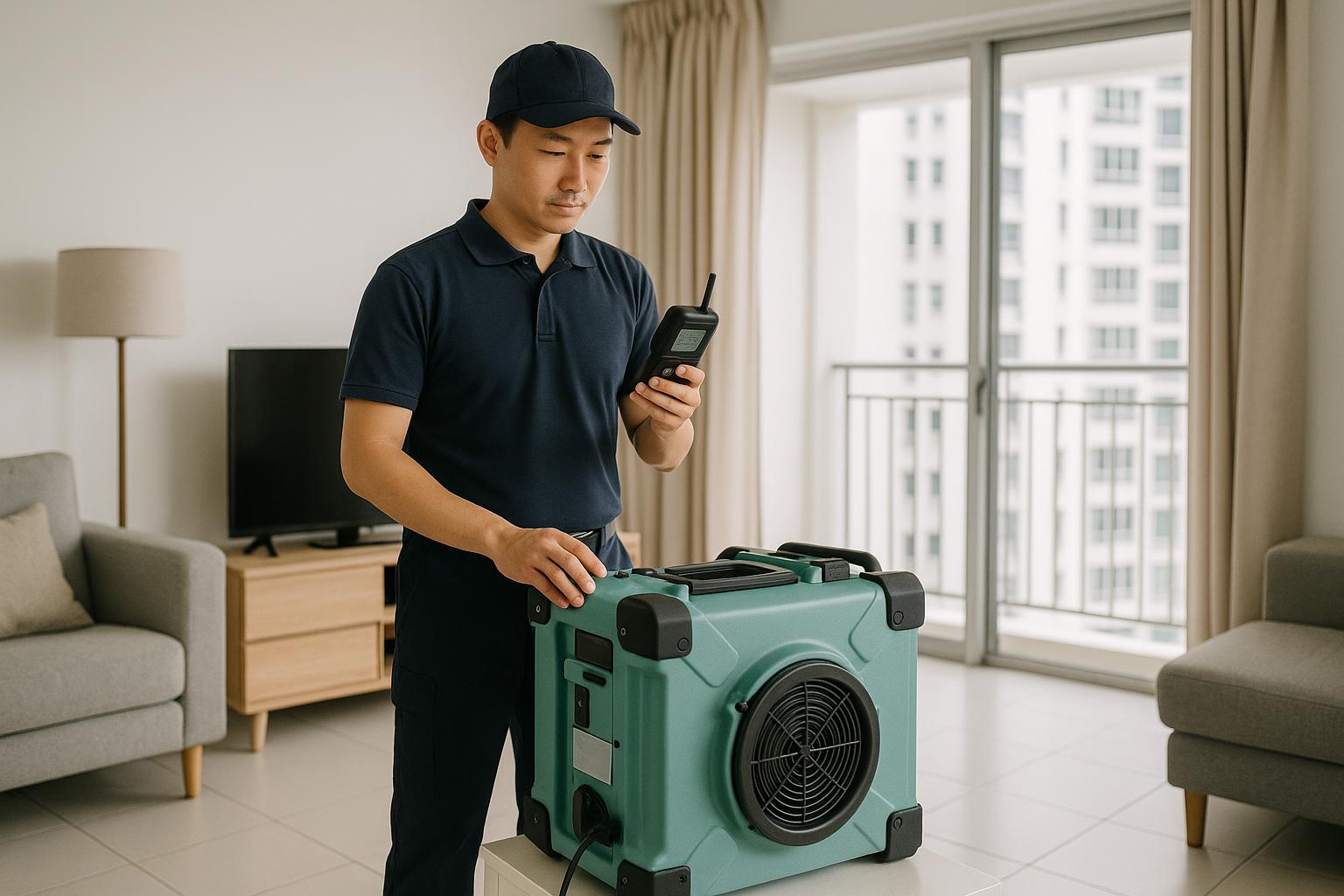
Stop masking the smell — eliminate the source. Our certified technicians track down musty mold odours, hidden bacterial growth, and chemical smells using advanced diagnostic tools, then remove them permanently.
What Causes Musty Smells in Singapore Homes?
That persistent mold smell in your home isn't just unpleasant — it's a warning sign. Musty odours are caused by microbial volatile organic compounds (MVOCs), gaseous by-products released by actively growing mold and bacteria. When you notice a damp, earthy smell, it means living organisms are metabolising organic material somewhere in your property, often in places you can't see.
In Singapore's tropical climate, where ambient humidity regularly exceeds 80%, the conditions for mold growth are nearly constant. MVOCs can permeate through drywall, carpet fibres, and HVAC systems, spreading the smell far from the actual source. Air fresheners and scented sprays only mask the odour temporarily — if you don't address the source, the smell always returns.
Understanding the root cause is the first step to getting rid of mold smell permanently. The most common sources in Singaporean properties include:
Hidden Mold Growth
Mold colonies growing behind walls, under flooring, and inside ceiling cavities produce MVOCs that seep into living spaces.
Aircon Drip Trays & Ducts
Stagnant water in drip trays and condensate lines breeds bacteria and mold, pushing musty air throughout your home.
Water Damage & Leaks
Past flooding, pipe leaks, or condensation creates damp pockets where mold thrives and odours develop within 24–48 hours.
Poor Ventilation
Sealed, air-conditioned spaces trap moisture and prevent air circulation, allowing MVOC concentrations to build up.
Our Odour Investigation Process
We identify and eliminate the source of the smell — not just mask it. Every investigation follows a systematic, evidence-based approach.
Source Identification
We use thermal imaging cameras and calibrated moisture meters to locate hidden moisture, temperature anomalies, and concealed mold growth behind walls, ceilings, and floors.
Air Sampling for MVOCs
Laboratory-grade air sampling detects elevated MVOC levels and identifies the specific compounds present, confirming active microbial growth even when mold isn't visible.
Visual & Physical Inspection
Thorough examination of hidden areas — inside wall cavities, beneath sinks, behind wardrobes, inside HVAC systems, and around all plumbing penetrations.
Root Cause Analysis
We determine exactly what's causing the odour — whether it's a hidden leak, poor drainage, inadequate ventilation, or contaminated HVAC components — so the fix is permanent.
How We Remove Odours Permanently
Once we've identified the source, we deploy the right combination of remediation methods to eliminate the odour at its origin.
HEPA Air Filtration
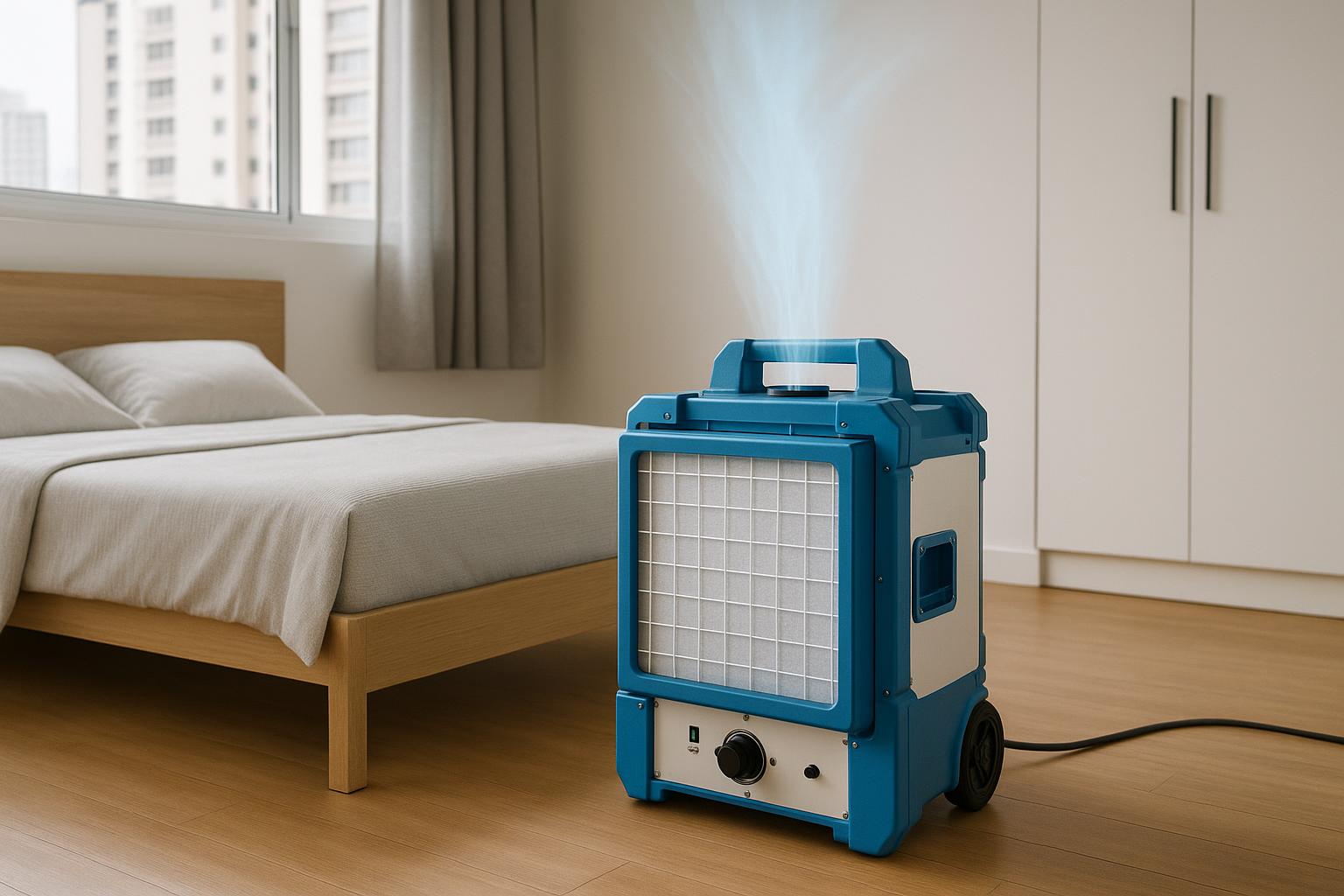
Industrial-grade HEPA filtration captures airborne mold spores, MVOC particles, and odour-carrying compounds down to 0.3 microns, purifying the indoor air.
Antimicrobial Treatment
EPA-registered antimicrobial agents eliminate bacteria and mold at the source, neutralising MVOC production and preventing regrowth on treated surfaces.
Source Remediation
Direct mold removal from contaminated materials. We physically remove the colony producing the odour — the only way to guarantee the smell won't return.
HVAC Cleaning & Sanitisation
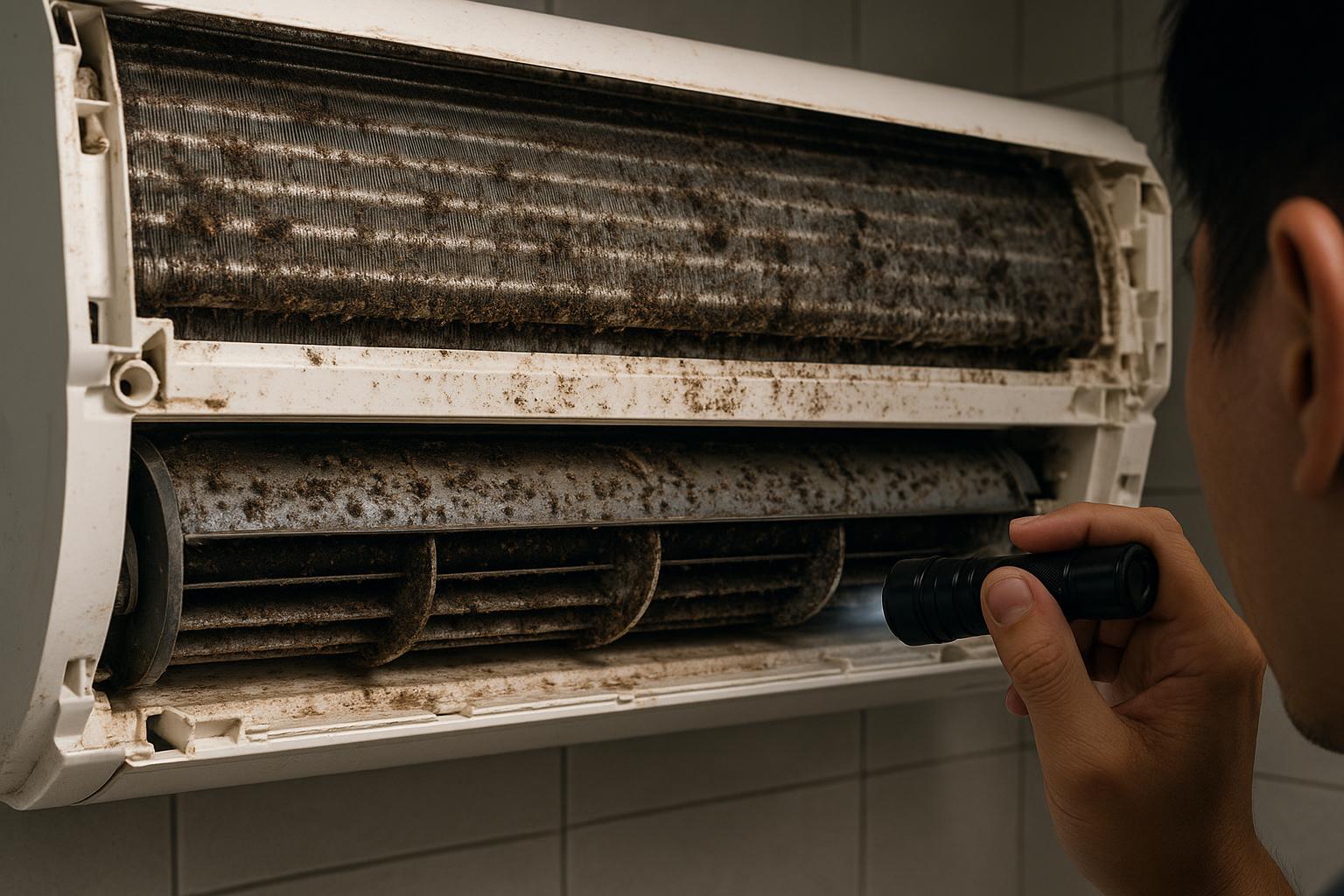
Deep cleaning of evaporator coils, drip trays, ductwork, and blower fans removes biofilm and bacteria that circulate musty smells through your air conditioning system.
Ozone Treatment
For severe or embedded odours, controlled ozone treatment oxidises odour molecules at the molecular level. Used in unoccupied spaces for deep deodorisation.
Ventilation Improvement
Recommendations for improving airflow — from exhaust fan upgrades to dehumidifier placement — to prevent moisture buildup and future odour problems.
Common Odour Problems in Singapore
Singapore's tropical humidity creates unique odour challenges. Here are the most common issues we solve.
Musty HDB & Condo Apartments
Sealed, air-conditioned apartments trap moisture. Common culprits include bathroom walls shared with neighbours, kitchen cabinets against exterior walls, and poorly ventilated storerooms. If your HDB or condo has a persistent musty smell, there's likely hidden mold growth that needs professional investigation.
Car Mold Smell
Singapore's heat and humidity make vehicles a prime target for mold. Damp floor mats, wet seats, and clogged cabin air filters lead to musty car interiors. If your car smells mouldy, the spores are circulating through your cabin every time you turn on the air conditioning.
Closet & Wardrobe Musty Smell
Built-in wardrobes against exterior walls are prone to condensation in air-conditioned bedrooms. The temperature differential creates moisture that feeds mold growth on clothes, shoes, and leather goods. Wondering how to get rid of mold smell from your wardrobe? The answer is treating the moisture source, not adding silica gel.
Aircon Musty Smell
A musty smell from your aircon usually means mold and bacteria have colonised the evaporator coil, drip tray, or blower fan. Regular aircon servicing doesn't always address the biofilm deep within the unit. Our HVAC sanitisation goes beyond standard cleaning to eliminate the source.
Post-Renovation Chemical Odours
New paint, adhesives, lacquers, and composite wood products release volatile organic compounds (VOCs) and formaldehyde. These chemical smells can persist for weeks or months. Our air quality testing measures exact VOC levels to determine if your renovated space is safe for occupancy.
Water Damage & Sewage Odours
Flooding, burst pipes, or backed-up drains leave behind contaminated moisture that produces severe odours. Without proper drying and antimicrobial treatment within 48 hours, mold growth and bacterial contamination become extensive. A professional mold inspection should follow any significant water event.
How to Get Rid of Mold Smell: DIY vs Professional
If you've noticed a mold smell in your home, there are a few steps you can take immediately while waiting for professional help:
- Increase ventilation by opening windows and running exhaust fans
- Set your air conditioning to dehumidify mode (dry mode) to lower indoor humidity
- Check visible areas for mold — under sinks, behind furniture, and around window frames
- Run a dehumidifier in enclosed rooms, especially bedrooms and storerooms
- Avoid bleaching or painting over mold — this doesn't kill the roots and the smell will return
For mold smell in clothes, remove affected garments from the wardrobe immediately. Wash in hot water with a cup of white vinegar, then dry in direct sunlight. However, if the wardrobe itself is the source, the clothes will simply re-absorb the odour unless the root problem is addressed.
When to call a professional: If the smell persists after cleaning visible areas, if you can't locate the source, or if the musty odour covers multiple rooms, there's likely hidden mold that requires professional investigation. Our certified technicians have the tools and training to find what you can't see.
Frequently Asked Questions About Mold Odours
What does mold smell like?
Is a musty smell dangerous?
How do I get rid of mold smell in my home?
Can you remove mold smell from clothes?
How long does odour removal take?
Why does my aircon smell musty?
Got Mold? Get Expert Help Today.
Don't let mold compromise your health or property. Call Mold Busters Singapore for fast, professional service.
Request a Free Quote
Describe your mold concern and we'll get back to you within 24 hours with a detailed assessment and quote.
Thank You!
We've received your message and will contact you within 24 hours.