
Mold Inspection
Certified Mold Inspection in Singapore
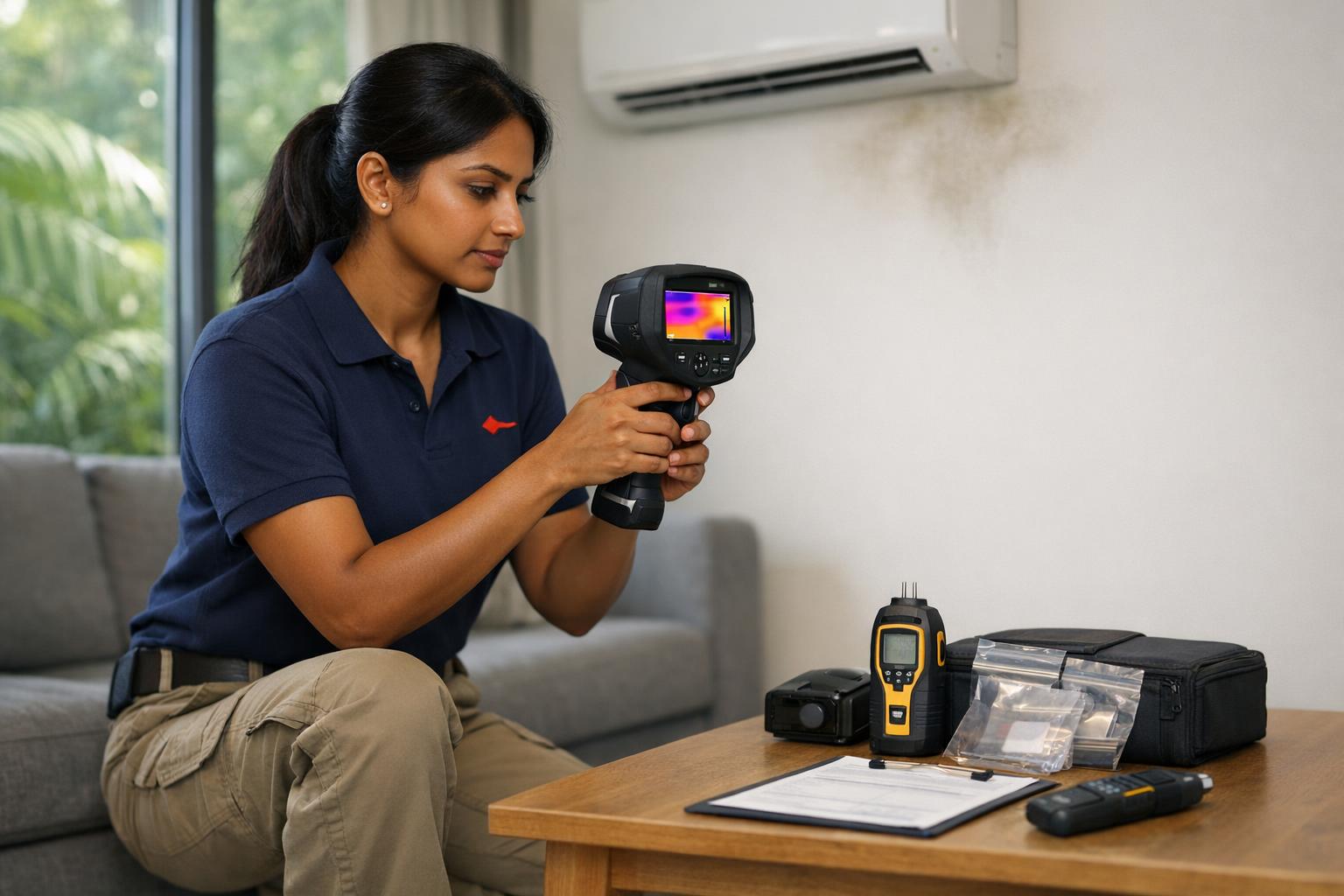
Find hidden mold before it spreads. Our certified inspectors use thermal imaging, moisture meters, and lab-grade air sampling to locate every mold colony in your property.
What Is a Professional Mold Inspection?
A professional mold inspection is a systematic evaluation of your property to identify the presence, extent, and source of mold contamination. Unlike simply looking for visible mold spots, our inspectors use advanced technology to find hidden mold growing behind walls, inside ceiling voids, beneath flooring, and within HVAC systems.
In Singapore, where humidity levels frequently exceed 80%, mold can thrive in areas you'd never think to check — behind kitchen cabinets, inside built-in wardrobes, underneath bathroom tiles, and around poorly sealed window frames. A thorough inspection catches problems early, before they require costly remediation.
Every Mold Busters inspection is conducted by technicians holding CMI (Certified Mold Inspector) and CIAQS (Certified Indoor Air Quality Specialist) credentials, following IICRC and IAQA guidelines.
Our 6-Step Mold Inspection Process
A systematic approach that leaves nothing to chance.
Visual Assessment
Comprehensive walkthrough of your entire property. We examine every room, check behind furniture, look inside cabinets, and inspect all potential mold-prone areas.
Moisture Mapping
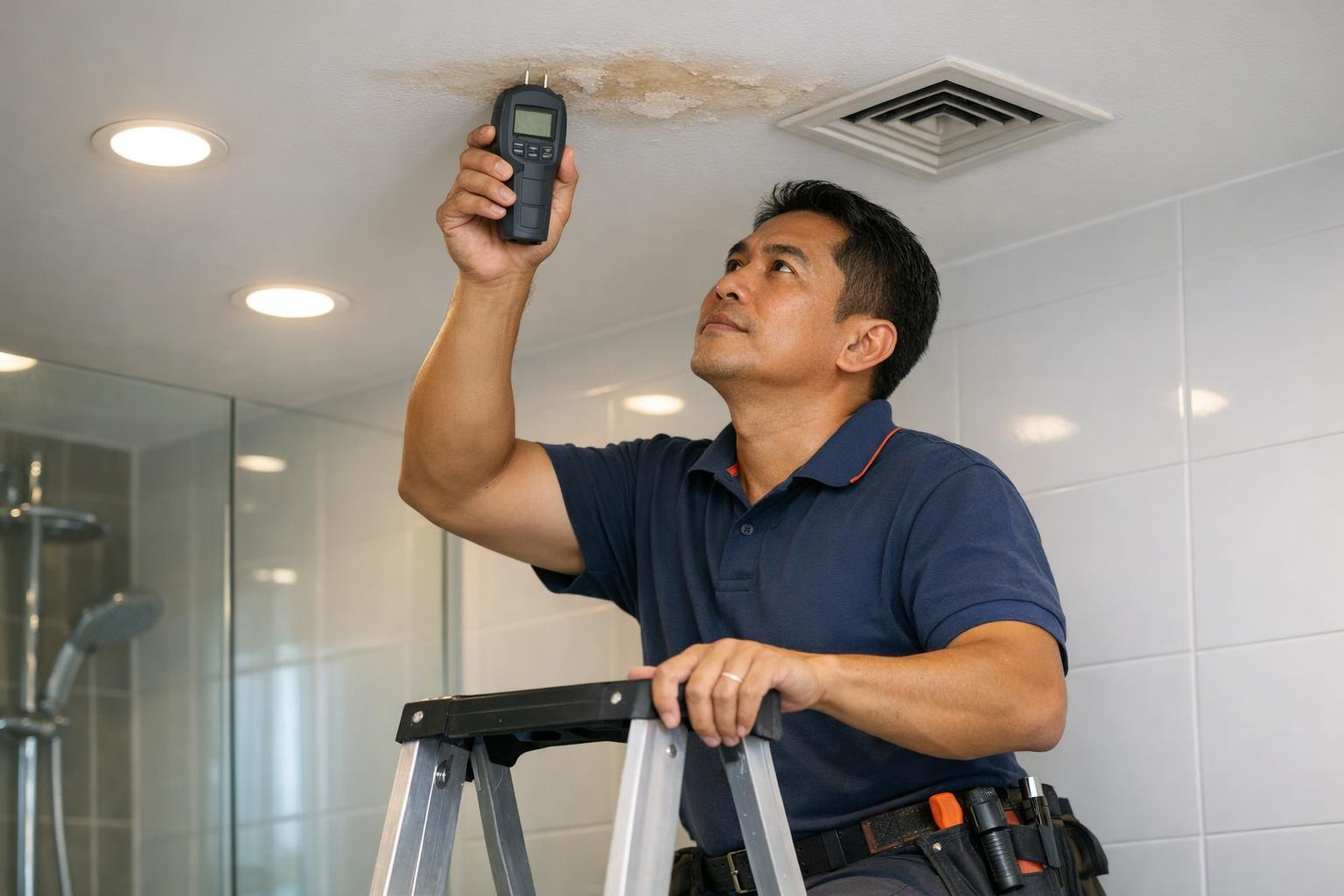
Using calibrated moisture meters, we map moisture levels across walls, floors, and ceilings to pinpoint the source of water feeding the mold growth.
Thermal Imaging Scan
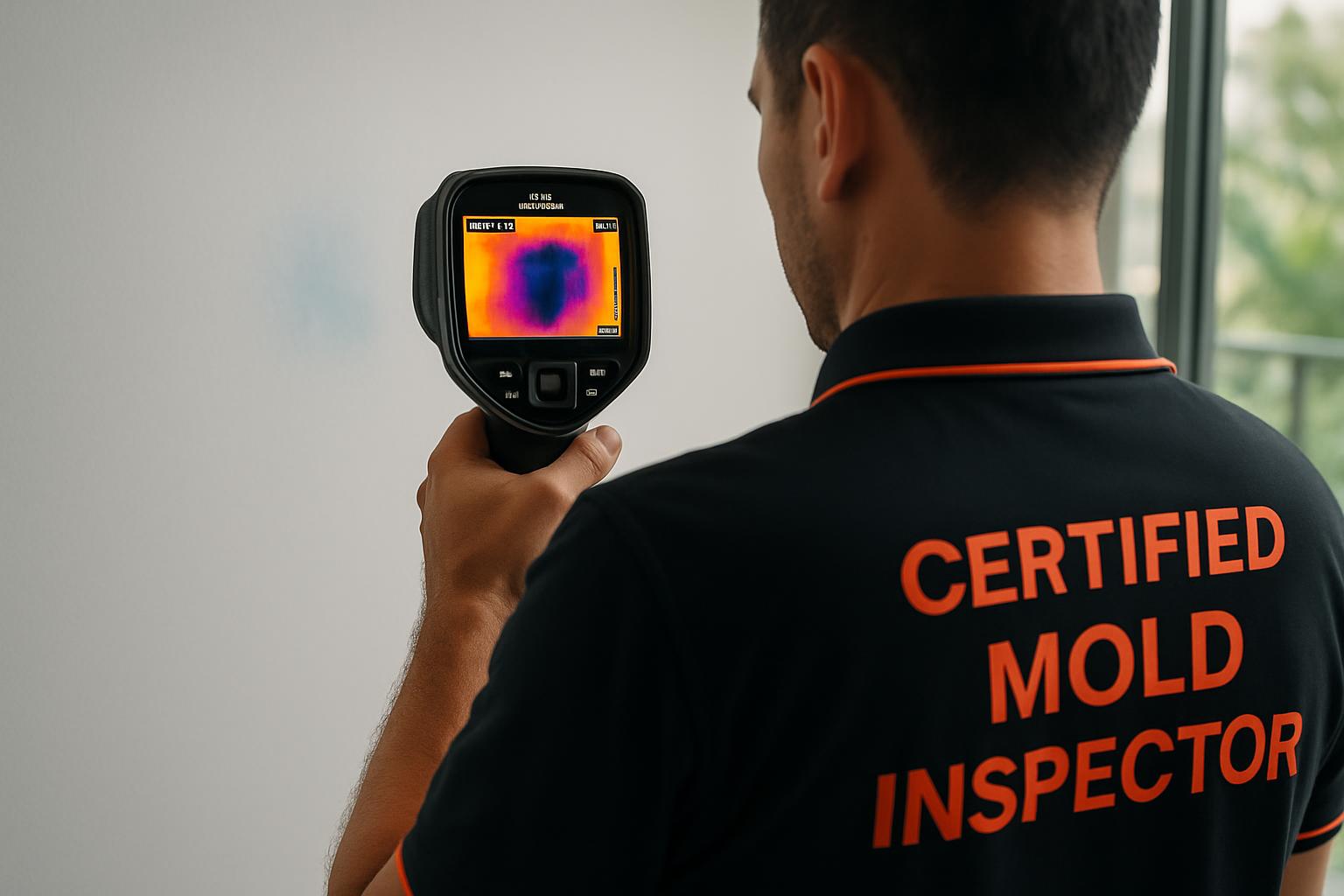
Infrared cameras detect temperature differentials that reveal hidden moisture and mold behind walls, ceilings, and floors — without any demolition.
Air & Surface Sampling
We collect air samples (spore traps) and surface samples (tape lifts or swabs) from affected and control areas for laboratory analysis.
Lab Analysis
Samples are analysed by an accredited laboratory, identifying mold species, spore concentrations, and whether levels are elevated above normal outdoor baselines.
Report & Recommendations
You receive a detailed report with findings, photos, lab results, severity assessment, and a clear remediation plan with cost estimate if action is needed.
Signs You Need a Mold Inspection
Not sure if you have a mold problem? Here are the most common indicators that warrant a professional inspection:
Visible Mold Growth
Any visible mold — black, green, white, or grey spots on walls, ceilings, or surfaces — means there's likely more hidden elsewhere.
Musty or Earthy Smell
A persistent damp, musty odour — especially in specific rooms or when entering your home — often indicates hidden mold releasing MVOCs.
Recent Water Damage
Flooding, pipe leaks, or water seepage. Mold can start growing within 24–48 hours of water exposure in Singapore's warm climate.
Health Symptoms
Unexplained allergies, sneezing, coughing, skin rashes, or respiratory issues that improve when you leave home may indicate mold exposure.
Buying or Renting Property
A pre-purchase or pre-rental mold inspection protects your investment. Uncover hidden problems before signing.
Post-Renovation Check
Renovations can disturb existing mold or create new moisture pathways. An inspection after renovation ensures your home is clean.
See What a Professional Inspection Looks Like
Watch our certified inspectors use thermal imaging, moisture meters, and air sampling to uncover hidden mold in a Singapore home.

DIY Mold Test Kits vs Professional Inspection
Home mold test kits are widely available, but how do they compare to professional inspection?
| Feature | DIY Test Kit | Professional Inspection |
|---|---|---|
| Accuracy | Low — high false positive rate | High — calibrated equipment |
| Species Identification | Basic or none | 100% species ID via lab |
| Hidden Mold Detection | Cannot detect | Thermal imaging + moisture meters |
| Moisture Source ID | Not included | Full moisture mapping |
| Remediation Plan | Not provided | Detailed plan with cost estimate |
| Cost | $20–$50 | Professional investment |
DIY kits can give you a rough indication, but they can't tell you what species of mold you have, where it's coming from, or how to fix it. For actionable results, professional inspection is the way to go.
Frequently Asked Questions About Mold Inspection
How long does a mold inspection take?
Do I need mold testing in addition to inspection?
What happens after the inspection?
Can you inspect my property before I buy or rent it?
Got Mold? Get Expert Help Today.
Don't let mold compromise your health or property. Call Mold Busters Singapore for fast, professional service.
Request a Free Quote
Describe your mold concern and we'll get back to you within 24 hours with a detailed assessment and quote.
Thank You!
We've received your message and will contact you within 24 hours.