
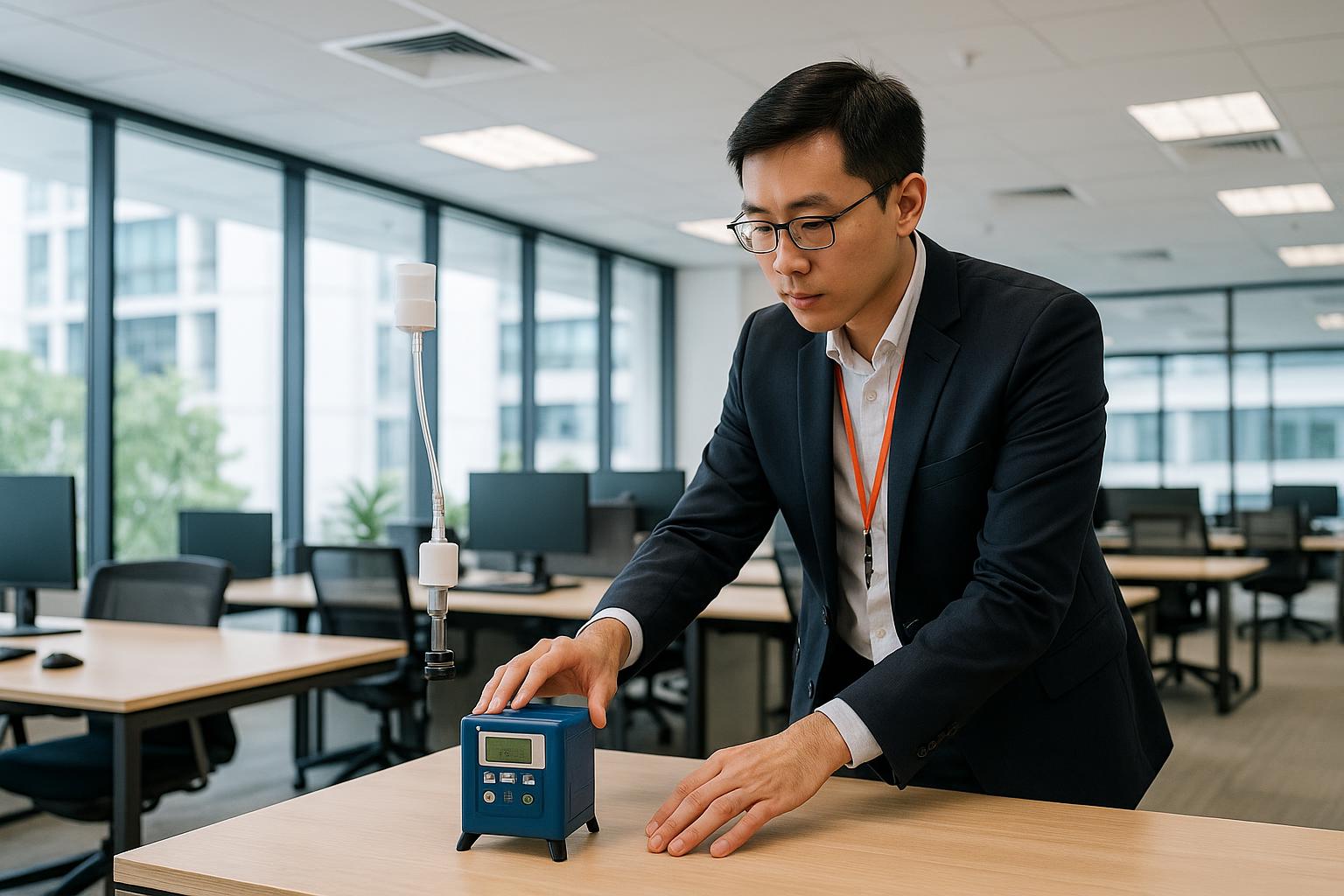
Air Quality Testing
Indoor Air Quality Testing in Singapore
Measure what you can't see. Our comprehensive IAQ testing analyses mold spores, VOCs, humidity levels, and particulates to ensure the air in your home or office is safe to breathe.
Why Indoor Air Quality Matters in Singapore
Singaporeans spend up to 90% of their time indoors — in air-conditioned homes, offices, and shopping centres. Yet indoor air can be 2–5 times more polluted than outdoor air according to the US EPA. In Singapore's tropical climate, the combination of sealed buildings, high humidity, and constant aircon use creates conditions where mold, bacteria, and volatile organic compounds can build up to harmful levels.
Poor indoor air quality has been linked to "sick building syndrome," increased asthma rates, chronic fatigue, headaches, and respiratory infections. Professional IAQ testing reveals exactly what's in your air and whether it meets World Health Organization (WHO) and Singapore NEA guidelines.
90%
of time spent indoors by average Singaporean
2–5x
more polluted indoor air vs outdoor
84%
average relative humidity in Singapore
What We Test For
Comprehensive analysis of your indoor environment covering biological, chemical, and physical parameters.
Mold Spore Counts
Viable and non-viable airborne spore analysis. We measure total concentrations and identify species to determine if active mold growth exists indoors.
Total Particulate Matter
PM2.5 and PM10 measurements. Fine particles from cooking, cleaning products, outdoor haze, and HVAC systems that affect respiratory health.
VOCs & Formaldehyde
Volatile organic compounds from new furniture, paint, cleaning products, and building materials. Formaldehyde is a common concern in newly renovated Singapore homes.
Humidity & Temperature
Room-by-room humidity mapping to identify areas at risk of mold growth. Ideal indoor humidity in Singapore is 40–60% — many homes exceed this significantly.
CO₂ Levels
Elevated CO₂ indicates poor ventilation, which correlates with increased mold risk and reduced cognitive performance in offices and bedrooms.
Bacteria & Allergens
Bacterial contamination and common indoor allergens (dust mite proteins, pet dander, pollen) that trigger asthma and allergic reactions.
When to Get Air Quality Testing
Post-Renovation
New paint, furniture, and materials release VOCs and formaldehyde. Testing 2–4 weeks after renovation confirms your home is safe for occupancy.
Health Concerns
Unexplained headaches, fatigue, respiratory issues, or worsening allergies at home or work. IAQ testing identifies environmental triggers.
New Property
Before moving into a new home or office. Baseline testing ensures you start with clean, safe air — especially important for families with young children.
Post-Remediation Clearance
After mold removal to verify indoor air quality has been restored to safe levels. Required for proper remediation documentation.
Commercial & Office Compliance
Singapore's SS554 standard sets guidelines for acceptable indoor air quality in commercial buildings. Regular testing ensures compliance and employee wellbeing.
Frequently Asked Questions
How long does air quality testing take?
What are safe indoor air quality levels for Singapore?
Do you test residential and commercial properties?
Got Mold? Get Expert Help Today.
Don't let mold compromise your health or property. Call Mold Busters Singapore for fast, professional service.
Request a Free Quote
Describe your mold concern and we'll get back to you within 24 hours with a detailed assessment and quote.
Thank You!
We've received your message and will contact you within 24 hours.