
 John Ward
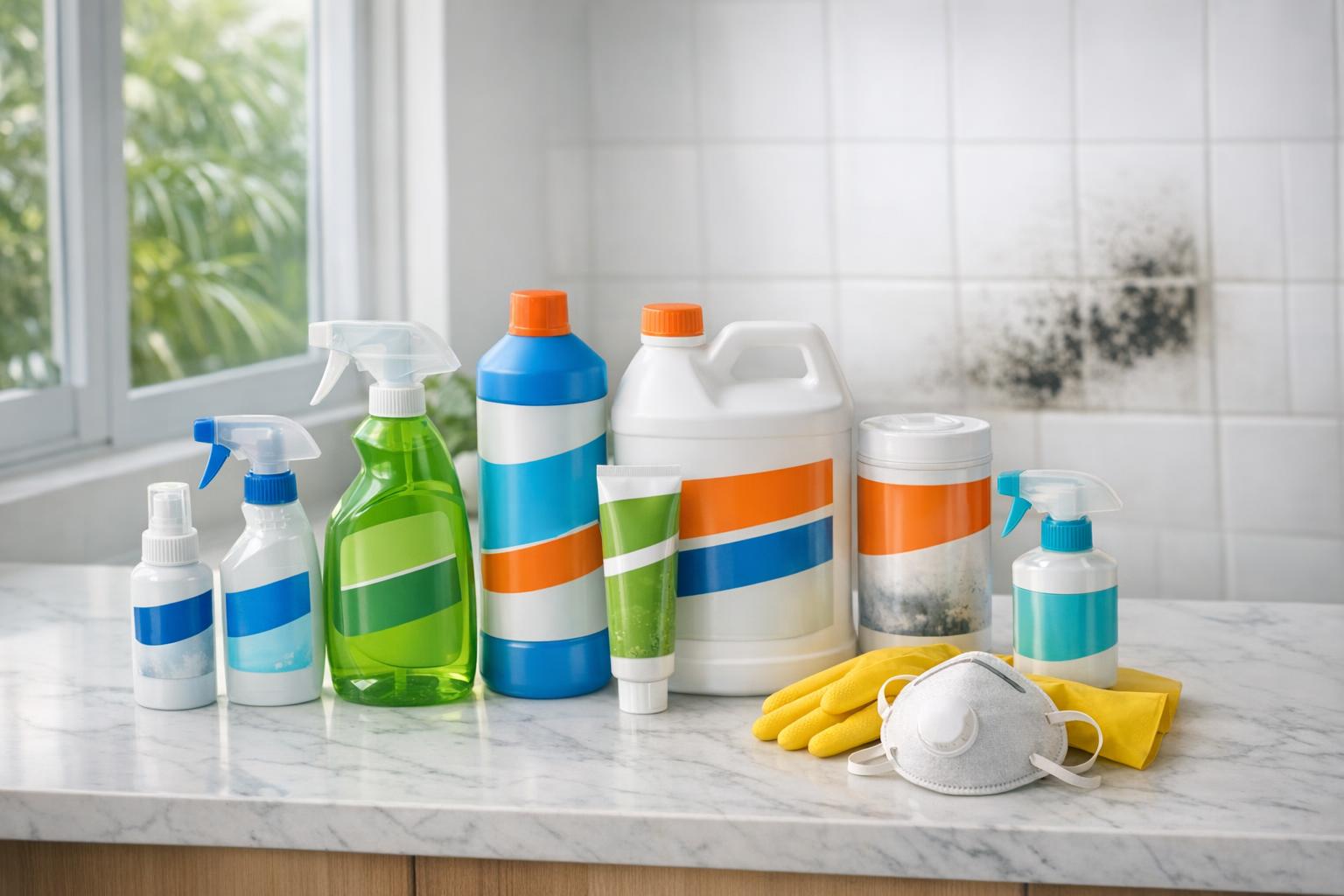
Singapore's tropical climate — averaging 84% relative humidity and 27°C year-round — makes mold a persistent household problem. Whether it's the black spots creeping along your bathroom grout, the fuzzy patches behind your wardrobe, or the musty smell from your air conditioning unit, almost every Singaporean home deals with mold at some point. The question isn't if you'll need a mold remover — it's which one to choose.
Choosing the right product depends on three factors: the surface you're treating, the severity of the mold growth, and how much ventilation you have. A powerful bleach-based spray works brilliantly on bathroom tiles but will damage wooden furniture. A gentle vinegar solution is safe for most surfaces but won't cut through deeply embedded grout mold. This guide breaks down every option available in Singapore — commercial products you can pick up at NTUC FairPrice or Guardian, specialty imports from Shopee and Lazada, and DIY solutions using ingredients you already have at home.
We've drawn on our experience from over 15,000 mold inspections across Singapore — testing products in real HDB flats, condos, and landed properties — to give you practical, field-tested recommendations rather than manufacturer marketing claims.
Key Takeaways
- Commercial sprays (SGD 8-15) are the fastest option for bathroom tiles and non-porous surfaces
- Gel removers outperform sprays on grout lines and vertical surfaces because they cling instead of running off
- Undiluted white vinegar with a 60-minute soak kills ~82% of mold species — often matching commercial products
- Never mix bleach with vinegar or ammonia — the resulting chemical reaction produces toxic chlorine gas
- If mold covers more than 10 square feet or returns within 3 months, the problem is likely structural and requires professional assessment
Choosing the Right Mold Remover in Singapore
Not all mold removers are created equal — and the "best" product depends entirely on your specific situation. Before reaching for the nearest spray bottle, consider these factors:
- Surface type: Non-porous surfaces (tiles, glass, metal) are easy to treat. Porous surfaces (wood, drywall, fabric) absorb mold deeper and need different approaches. Using a harsh bleach spray on wooden cabinets can cause discolouration without actually killing the mold that has penetrated the grain.
- Mold severity: Light surface mold (the kind you can wipe with a damp cloth) responds to almost any product. Deeply embedded mold in grout or silicone sealant requires a gel that clings and penetrates. Extensive mold covering large areas may need a concentrated solution or professional remediation.
- Toxicity and ventilation: Singapore's HDB bathrooms are often windowless with only an exhaust fan. Strong bleach-based products in a poorly ventilated space can be dangerous. If your bathroom lacks windows, opt for lower-toxicity options or ensure the exhaust fan is running the entire time.
- Prevention vs treatment: Some products only kill existing mold, while others leave a protective barrier that inhibits regrowth. In Singapore's climate, prevention matters as much as treatment — mold can return within days if conditions remain favourable.
SGD 8–45
Price range for mold removers
6
Product categories available
80%+
Singapore average humidity
24–48h
Mold regrowth if untreated
Where to Buy Mold Removers in Singapore
You don't need to order specialised products from overseas. Most effective mold removers are available at local retailers:
- Supermarkets: NTUC FairPrice, Cold Storage, and Giant stock Magiclean, Mr Muscle, and other mainstream brands in the household cleaning aisle
- Pharmacies: Guardian and Watsons carry smaller mold removal sprays alongside bathroom cleaners
- Hardware stores: Home-Fix, Selffix, and neighbourhood hardware stores stock heavy-duty options like HG Mould Spray and concentrated solutions
- Online: Shopee and Lazada offer the widest range — including imports like Concrobium and specialty gels not easily found in physical stores
Buying Locally vs Importing
While Shopee and Lazada offer imported products that may not be available in local stores, be cautious with unfamiliar brands. Check for safety certifications and read reviews from Singapore-based buyers. Local products from NTUC or Guardian have already passed Singapore's safety standards and come with clear usage instructions.
Product Categories Explained
Mold removal products fall into distinct categories, each designed for different situations. Understanding the differences saves you money and frustration — using the wrong type is the most common mistake we see homeowners make.
Spray Cleaners
The most common and convenient option. Spray directly onto the affected area, wait the recommended time, then wipe or rinse. Ideal for large flat surfaces like bathroom walls, shower doors, and kitchen backsplashes. The main drawback: sprays run off vertical surfaces and don't penetrate grout lines effectively.
Gel Removers
Thicker formulations that cling to surfaces instead of dripping. Designed specifically for grout lines, silicone sealant, and vertical surfaces where sprays slide off. Apply, leave for several hours (or overnight), then scrub and rinse. More effective than sprays for targeted, deep-set mold — but slower and more labour-intensive.
Concentrated Solutions
Dilute-to-use products that are economical for large areas. One bottle can make litres of cleaning solution. Best for extensive mold problems — full-wall treatment, entire bathrooms, or recurring issues that need repeated application. Requires mixing and measuring, so slightly less convenient.
Wipes
Pre-soaked disposable cloths for quick spot treatment. Convenient for small patches — a bit of mold on a window frame, a spot on a leather bag, or a quick wipe-down of the washing machine gasket. Not cost-effective for large areas, and typically not strong enough for embedded mold.
Mold Remover Categories Compared
| Category | Best For | Ease of Use | Cost | Effectiveness |
|---|---|---|---|---|
| Spray cleaners | Large flat surfaces, tiles, shower walls | Very easy — spray and wipe | SGD 8–15 | Good for surface mold |
| Gel removers | Grout lines, silicone sealant, vertical surfaces | Moderate — apply, wait, scrub | SGD 12–25 | Excellent for embedded mold |
| Concentrated solutions | Large areas, full bathrooms, recurring mold | Moderate — requires dilution | SGD 15–45 | Good to excellent (depends on dilution) |
| Wipes | Quick spot treatment, small patches | Very easy — wipe and dispose | SGD 5–12 | Limited — surface only |
Top Mold Removal Sprays
Sprays are the go-to choice for most homeowners — they're fast, easy, and effective on common surfaces. Here are the best options available in Singapore, ranked by effectiveness and availability:
Magiclean Bathroom Stain & Mold Remover
4.5/5Magiclean is the workhorse of Singapore's mold removal market. You'll find it in virtually every supermarket and pharmacy. The spray formula works well on bathroom tiles, shower screens, and painted walls. For best results, spray generously, let it sit for 10–15 minutes, then scrub with a brush and rinse. The sodium hypochlorite base makes it effective but produces strong fumes — keep the exhaust fan running and the door open.
Mr Muscle Mold & Mildew Cleaner
4/5Mr Muscle is a solid all-rounder. It's slightly less aggressive than Magiclean, which makes it better for regular maintenance cleaning rather than tackling heavy infestations. The spray-and-wipe convenience makes it good for weekly bathroom upkeep in Singapore's high-humidity environment.
Concrobium Mold Control
4.5/5Concrobium is worth highlighting because it works fundamentally differently from bleach-based products. Instead of using harsh chemicals to dissolve mold, it crushes mold spores as it dries — and leaves behind a thin antimicrobial shield that prevents regrowth. This makes it the best choice for bedrooms, nurseries, and any area where chemical fumes are a concern. The trade-off is speed — it takes longer to work and may need repeat applications on heavy mold. Available primarily through Shopee, Lazada, and some specialty hardware stores.
HG Mould Spray
4/5HG is a Dutch brand with a strong following in Singapore's hardware store circuit. The foaming spray clings better than standard sprays, making it a hybrid between a spray and gel. It's particularly effective on grout lines and the silicone seals around bathtubs. Avoid using it on marble, granite, or other natural stone surfaces — the active ingredients can cause etching.
Proper Spray Technique
How you apply a mold spray matters as much as which product you choose. Most people make the same mistake: a quick spray and immediate wipe. That does almost nothing.
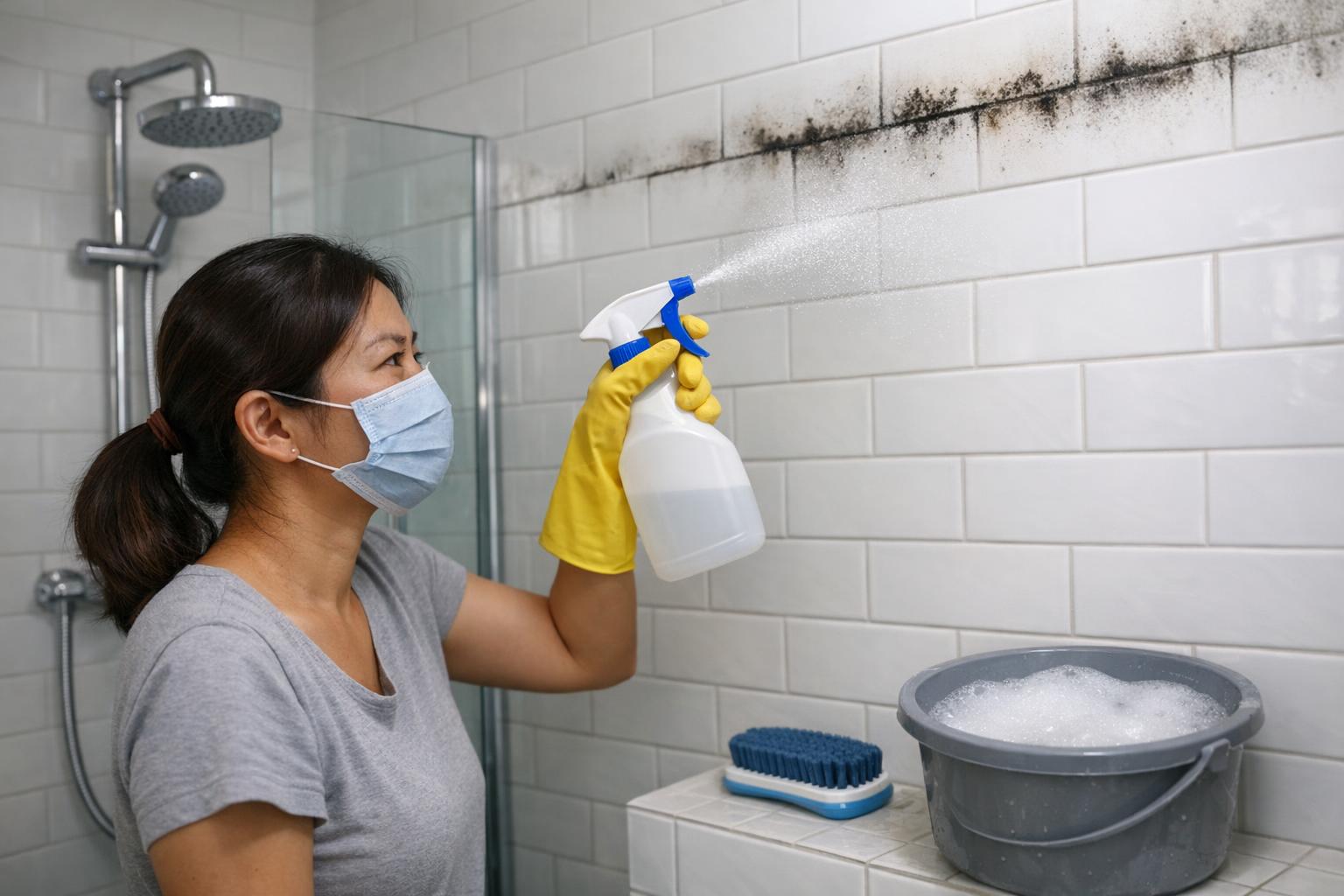
The right method: Hold the bottle 15–20 cm from the surface. Spray in overlapping passes until the area is visibly wet — not just lightly misted. Then walk away. Let the product sit for at least 10–15 minutes (check the label for specific times). The active ingredients need contact time to penetrate and kill the mold roots.
After the recommended wait time, scrub with a stiff brush (an old toothbrush works for grout lines) and rinse thoroughly with clean water.
Best Mold Removal Gels
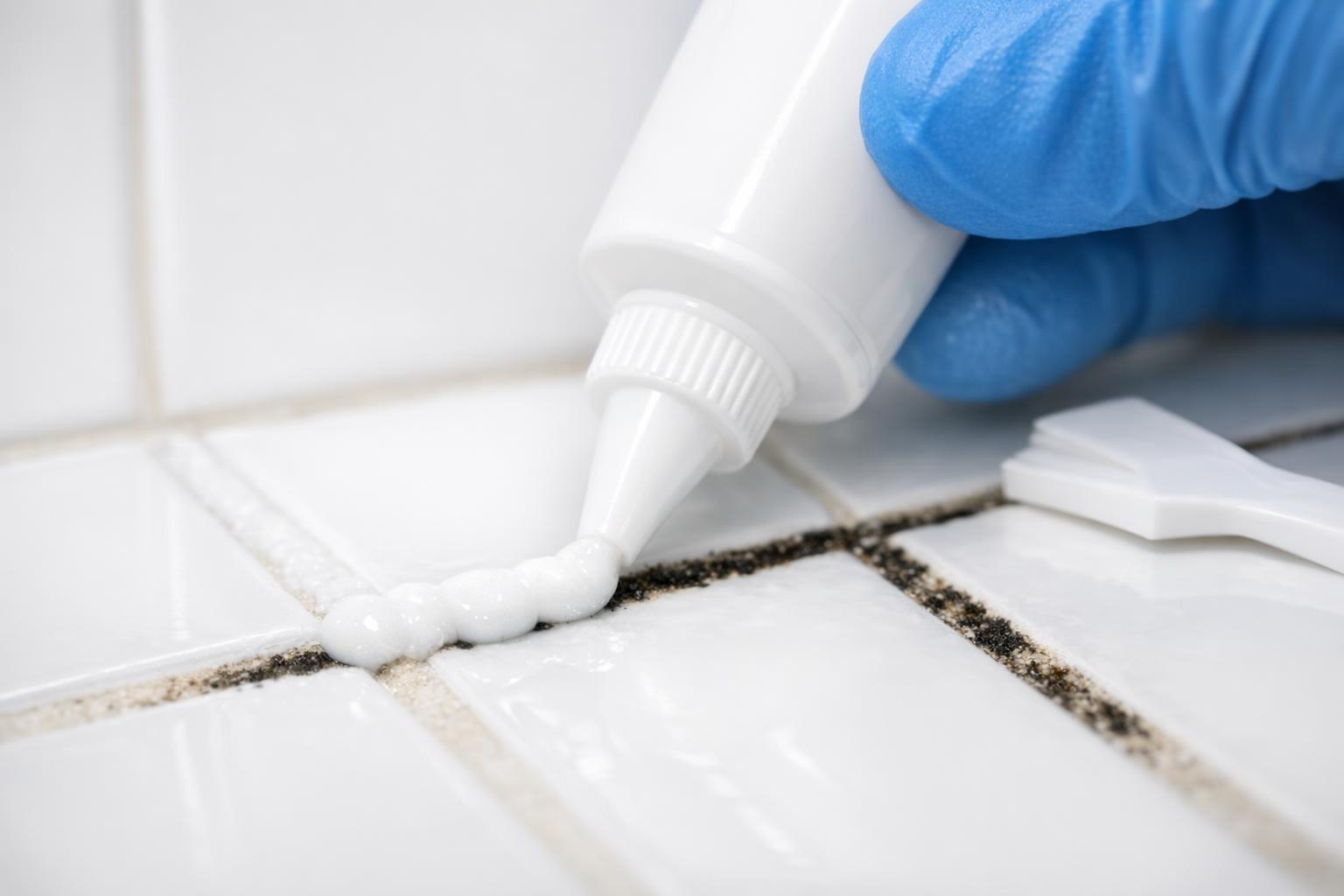
If your mold problem is concentrated in grout lines or silicone sealant — the two most common trouble spots in Singapore bathrooms — a gel remover will outperform any spray. The thick consistency clings to narrow crevices and vertical surfaces, delivering sustained contact time where it matters most. Sprays simply can't match this on grout.
Selleys Rapid Mould Killer Gel
4/5Selleys is the most accessible gel option in Singapore. The squeeze-tube format lets you apply precisely along grout lines without waste. For best results, apply a thick bead along the mold-stained grout, leave it for 30 minutes to an hour, then scrub with a grout brush and rinse. For deeply stained grout, apply overnight with plastic wrap covering the gel to prevent it from drying out — this extended contact time makes a significant difference.
Mold Buster Gel
3.5/5A decent budget option for regular maintenance rather than heavy-duty mold removal. Best used as part of a weekly bathroom cleaning routine in Singapore's humidity — apply to grout lines after your regular shower clean, leave for 20 minutes, then rinse. It won't transform heavily blackened grout, but it's effective at preventing mold from establishing a foothold if used consistently.
DIY Mold Removal Solutions
You don't always need a commercial product. Several household ingredients are surprisingly effective against mold — and they're safer, cheaper, and always available. Here's what actually works, based on scientific research and our own field testing across Singapore homes:
White Vinegar (Undiluted)
White vinegar (5% acetic acid) kills approximately 82% of known mold species. Use it undiluted — pour into a spray bottle, saturate the moldy area, and leave for at least 60 minutes before scrubbing and wiping. The acidity breaks down the mold structure and kills spores on contact. The vinegar smell dissipates within a few hours. At roughly SGD 2–3 per bottle from any supermarket, it's the most cost-effective option available.
Baking Soda Paste
Mix baking soda with water to form a thick paste. Apply to moldy surfaces, let it sit for 15–20 minutes, then scrub with a brush. Baking soda is a gentle abrasive that physically removes mold while also absorbing moisture and neutralising musty odours. It's safe for virtually all surfaces including wood and fabric. For extra effectiveness, spray vinegar over the baking soda paste — the fizzing reaction helps lift mold from crevices.
Hydrogen Peroxide (3%)
Standard 3% hydrogen peroxide (available at Guardian and Watsons for SGD 3–5) is an effective antifungal agent. Spray directly onto mold, wait 10–15 minutes, then scrub and wipe. It's safe for most surfaces and doesn't produce harmful fumes. The oxidising action kills mold and lightens stains — useful for white grout that has darkened over time. Avoid using on coloured fabrics or dark surfaces, as it can cause bleaching.
Tea Tree Oil Solution
Add 1 teaspoon of tea tree oil to 1 cup of water in a spray bottle. Shake well and spray onto moldy surfaces. Tea tree oil is a natural antifungal and antimicrobial — and unlike vinegar, it leaves a pleasant scent. The downside is cost: pure tea tree oil runs SGD 10–20 per bottle. Best reserved for smaller areas, wardrobes, and surfaces where you don't want chemical residue.
DIY Mold Removal Methods Compared
| Method | Effectiveness | Cost | Safety | Best For |
|---|---|---|---|---|
| White vinegar | High — kills ~82% of mold species | SGD 2–3/bottle | Very safe — food-grade | Non-porous surfaces, regular maintenance, budget-conscious |
| Baking soda paste | Moderate — mechanical removal + deodorising | SGD 2/box | Very safe — non-toxic | Gentle cleaning, odour removal, sensitive surfaces |
| Hydrogen peroxide (3%) | High — oxidising antifungal | SGD 3–5/bottle | Safe — mild skin irritant | White grout, stain lightening, non-porous surfaces |
| Tea tree oil solution | Moderate to high — natural antifungal | SGD 10–20/bottle | Safe — natural essential oil | Small areas, wardrobes, chemical-free environments |
Field-Tested Insight
From our experience testing hundreds of Singapore homes: undiluted white vinegar with a 60-minute soak time outperforms most commercial sprays on non-porous surfaces. The key is the soak time — most people spray and wipe immediately, which does almost nothing. Saturate the area, walk away for an hour, then come back and scrub. The difference is dramatic.
Never Mix Bleach with Vinegar or Ammonia
Combining bleach with vinegar produces toxic chlorine gas. Mixing bleach with ammonia creates chloramine vapour. Both can cause serious respiratory injury or death in enclosed spaces like windowless HDB bathrooms. If you switch between products, rinse the surface thoroughly with water between applications and wait at least 30 minutes.
Mold Keeps Coming Back?
If you've tried multiple products and the mold returns, the problem is likely deeper than surface growth. Our certified team can identify the root cause with a free virtual inspection.
Safety Precautions
Mold removal involves exposure to both mold spores and cleaning chemicals — both of which pose health risks if proper precautions aren't taken. This is especially important in Singapore, where many HDB bathrooms are enclosed with limited natural ventilation.
Personal Protective Equipment (PPE)
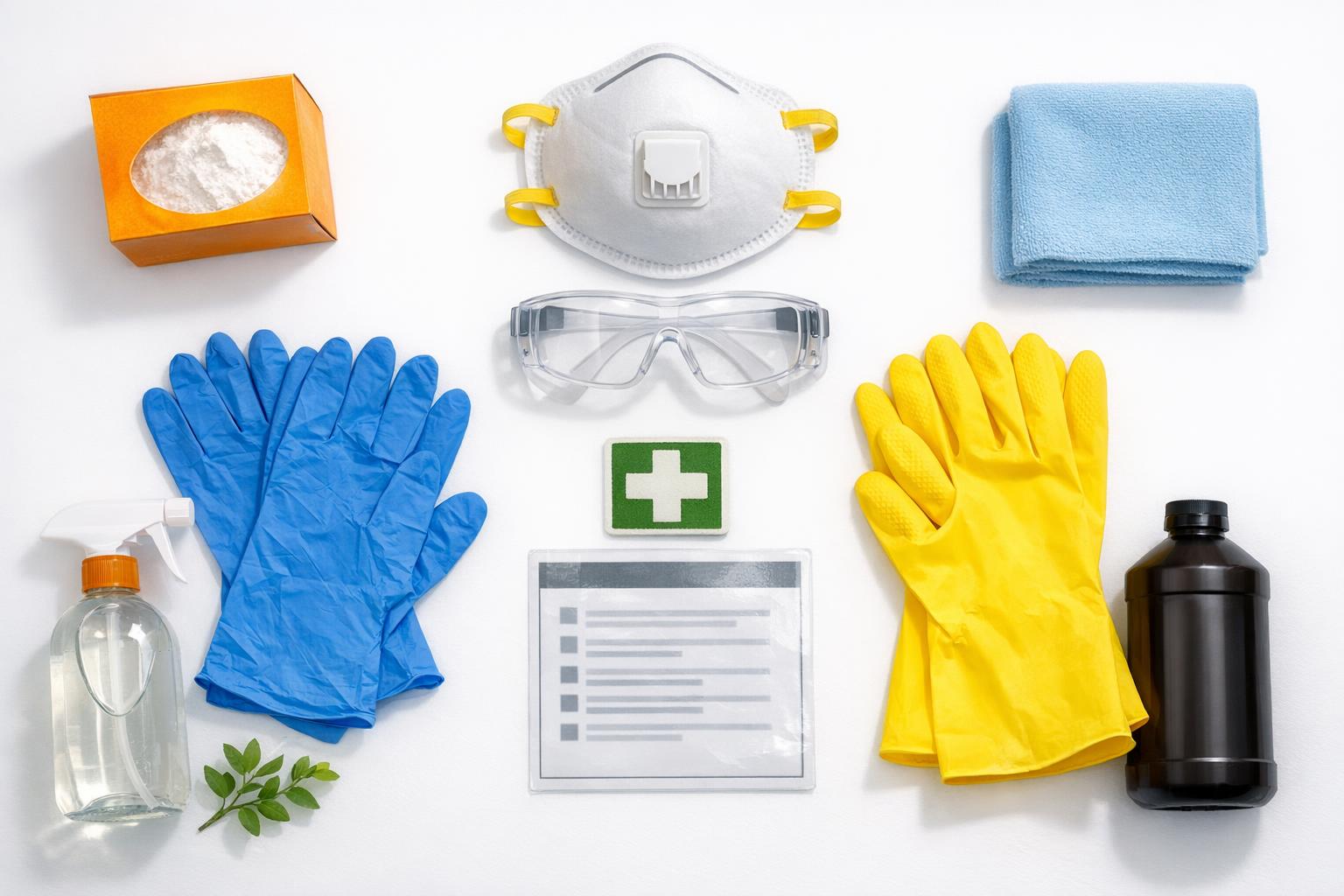
Even for small DIY mold removal jobs, proper PPE is non-negotiable:
- N95 respirator mask: A standard surgical mask won't filter mold spores. Use an N95 or P100 respirator — available at Guardian, Watsons, or any hardware store for SGD 3–8. Mold spores range from 2–100 microns; an N95 filters particles down to 0.3 microns.
- Safety goggles: Mold spores and chemical splashes can irritate or damage eyes. Use sealed goggles (not regular glasses) that sit flush against the face.
- Rubber gloves: Long-cuff rubber gloves protect hands from both mold contact and chemical cleaners. Disposable nitrile gloves work for small jobs; reusable rubber gloves are better for extensive cleaning.
- Old clothing: Wear clothes you don't mind discarding. Mold spores cling to fabric and can be carried to other rooms. Wash contaminated clothes in hot water immediately after the job.
Ventilation
Proper ventilation is critical — both for dispersing chemical fumes and reducing airborne spore concentration during cleaning:
- Open all windows in the room and adjacent rooms to create cross-ventilation
- Turn on exhaust fans and leave them running for at least 30 minutes after you finish
- For windowless HDB bathrooms, position a portable fan at the doorway to blow air outward, and keep the nearest window in the adjacent room open
- If using bleach-based products, take breaks every 15–20 minutes to breathe fresh air
Children and Pets
Keep children and pets out of the treated area until the cleaning product has been completely rinsed off and the room is fully ventilated. Chemical residues on wet surfaces can be transferred to skin through contact. Wait at least 2 hours after treatment before allowing children or pets back into the room.
When to Call a Professional
DIY mold removal works well for small, surface-level problems on non-porous materials. But there are clear thresholds where professional intervention isn't just recommended — it's necessary to protect both your health and your property. Here's when to put down the spray bottle and pick up the phone:
- The affected area exceeds 10 square feet (~1 square metre): This is the internationally recognised threshold (set by the US EPA) for when professional remediation is recommended. Large mold colonies release significantly more spores during disturbance, creating a health hazard without proper containment and HEPA filtration.
- Mold is behind walls, under flooring, or in HVAC systems: Hidden mold requires specialised detection equipment — professional mold inspections use moisture meters, thermal imaging, and air quality testing to locate mold you can't see. Tearing open a wall without proper containment can contaminate your entire home.
- Mold returns after multiple cleanings: Recurring mold is the clearest signal that the underlying moisture source hasn't been addressed. No spray or gel will solve a leaking pipe, failed waterproofing, or inadequate ventilation. A professional assessment identifies and resolves the root cause — not just the symptom.
- Health symptoms are present: Persistent coughing, wheezing, skin rashes, or allergic reactions that improve when you leave the home suggest significant mold exposure. Professional air quality testing can confirm whether mold spore levels in your indoor air exceed safe thresholds.
- You suspect black mold (Stachybotrys): Dark, slimy mold on chronically wet drywall or ceiling tiles should never be disturbed without professional containment. Stachybotrys produces mycotoxins that can cause serious health effects.
Field-Tested Insight
From our 15,000+ inspections across Singapore: when mold covers more than 10 square feet or returns within 3 months of cleaning, there's almost always an underlying moisture problem — a leaking pipe, poor waterproofing, or inadequate ventilation. No spray will fix that. We've seen homeowners spend hundreds of dollars on product after product, treating the same wall repeatedly, when a SGD 200 waterproofing repair would have solved the problem permanently.
At Mold Busters Singapore, our remediation process starts with a thorough inspection to identify the moisture source, followed by contained removal using HEPA-filtered equipment, and ends with post-remediation testing to verify that spore levels have returned to safe levels. Our team holds internationally recognised certifications in mold inspection and remediation.
Not sure where your situation falls? Our free virtual mold inspection lets you show us the problem via video call — we'll assess the severity and recommend whether DIY treatment is sufficient or professional intervention is needed, before any commitment. For a deeper dive into wall-specific mold problems, see our guide on how to remove mold from walls.